


As a result of school closures and remote learning during the COVID-19 pandemic, parents and families worldwide received a front-row seat to their children’s daily educational experiences. Clearly, many were unimpressed with what they saw, causing a widespread re-evaluation of modern education systems.
At Polis Labs, we welcome this re-assessment of the conventional wisdom regarding modern schooling because it is well overdue.
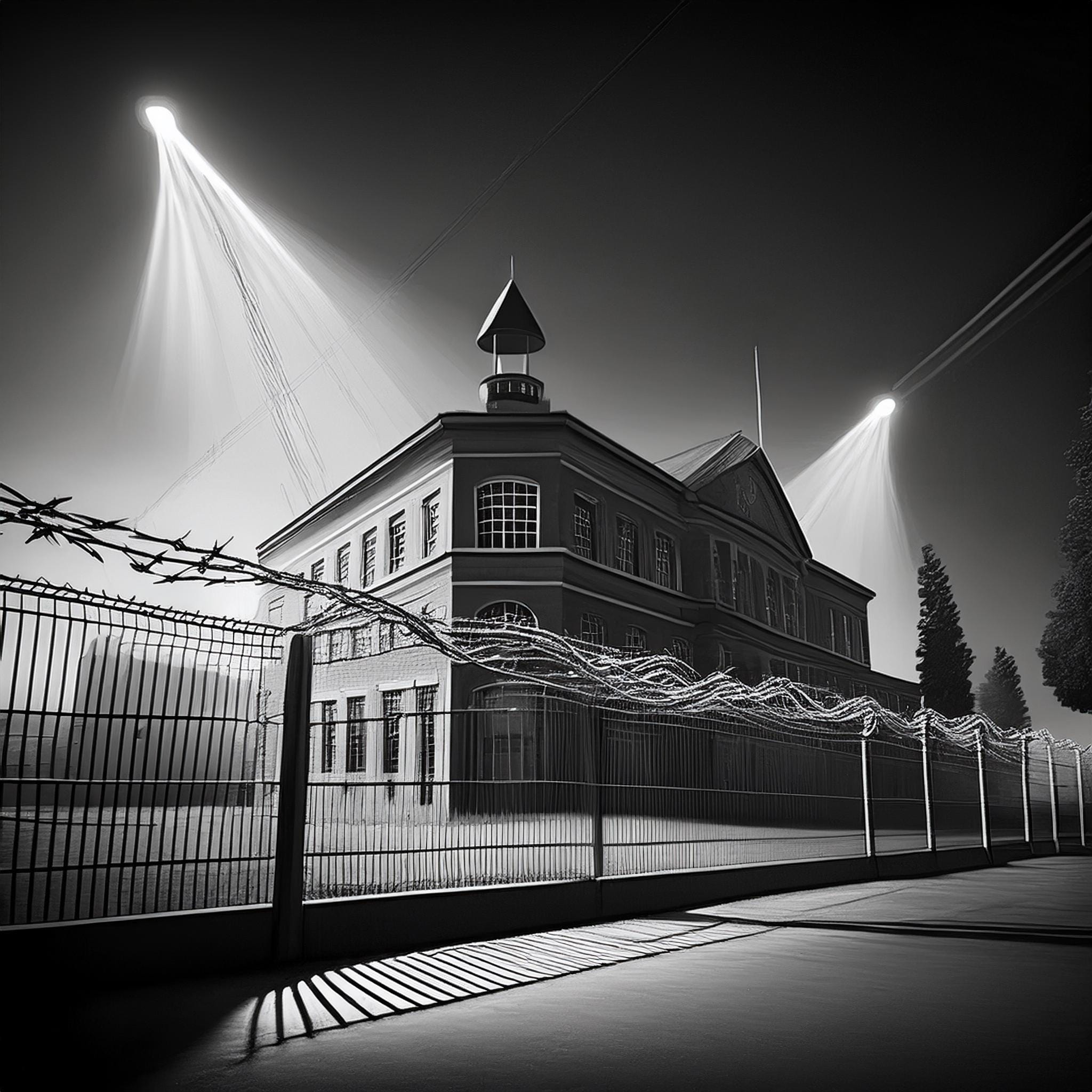
Before the pandemic, it was assumed that the vast majority of children would continue to follow an archaic system based on the 18th century Prussian model. They would be confined to a place of duty (school) for 6-8 hours, where they are divided by age into separate “classes” (regardless of their varying ability levels) and expected to sit still while an authority figure at the front of the room transmits information that they must memorize and successfully regurgitate to be considered “educated.”
This antiquated concept, originally created by Frederick the Great to ensure obedient subjects would follow orders without question if conscripted into the army, has somehow continued to be the default model for modern schools worldwide, despite consistent criticism from 20th century educators like Maria Montessori and John Taylor Gatto, who argued for better, more effective pedagogical methods.
To the detriment of future generations, the modern system of compulsory education, regardless of country or society, is one of the most entrenched, pernicious examples of a multipolar trap — where a perverse set of interests has resulted in a race to the bottom that does not allow for meaningful reform. Remaining stuck in this system is limiting humankind’s development and constraining its ability to flourish.
In this multi-part series, we will explore why state-enforced compulsory schooling persists and how to break our children out of this increasingly zero-sum system.
Polis Labs strongly believes that as network states and other parallel poleis proliferate and thrive, these new communities will set an example for educational system reforms that could lead to a true pedagogical renaissance worldwide —one that would inspire every human to achieve their true potential, live in abundance, and ultimately propel humankind towards becoming a multi-planetary species.